
Local-first
Start from the device, not from a cloud assumption
ScopeDock starts with camera sources and LoveMarkDown starts with user-selected files. Neither product needs a cloud account for its core workflow.

NgSense builds practical tools with clear boundaries. ScopeDock leads the product family with camera inspection and capture, while LoveMarkDown brings the same local-first approach to writing and export.
NgSense builds focused local-first Mac apps with practical workflows, clear product boundaries, and support paths that help users judge fit early.
ScopeDock is the flagship NgSense product. It makes local camera workflows faster and calmer for RTSP streams, USB microscopes, endoscopes, repair benches, QA, education, and lightweight inspection without positioning itself as a surveillance platform or livestream studio.
LoveMarkDown extends the same focused approach to local documents. It provides Markdown writing, live preview, relative images, diagrams, math, and export without promising cloud sync, AI writing, collaboration, accounts, or mobile apps.
Across both products, NgSense connects product, download, support, privacy, blog, and contact paths so people can evaluate fit with less guesswork and more confidence.
NgSense focuses on local-first tools because camera work and document work both benefit from speed, clarity, and dependable local control.
Core workflows start with the camera or file on your Mac rather than requiring a cloud account or an unnecessary upload path.
Each app stays close to a clear job, whether that is inspecting a camera feed or writing and exporting a Markdown document.
Product, download, support, privacy, blog, and contact paths belong together when people need dependable answers before and after installation.
See what NgSense stands for and how that direction shows up in the current product family.
Practical workflows come before broad platform promises.
ScopeDock remains the primary product and download path across the website.
LoveMarkDown is available free on the Mac App Store.
Users should know what stays local, what uses the network, and what is submitted intentionally.
NgSense talks about the brand in product terms: what the tools do, where they fit, and why they stay focused.
Local-first
ScopeDock starts with camera sources and LoveMarkDown starts with user-selected files. Neither product needs a cloud account for its core workflow.
Focused scope
ScopeDock avoids surveillance and broadcast complexity. LoveMarkDown avoids cloud publishing and collaboration claims that are outside its current editor workflow.
Support-aware
Product pages, compatibility checks, help content, privacy explanations, and feedback paths work together so users can judge fit quickly.
Start with the product that matches your job, then continue to its download, support, privacy, or guidance path.
Preview RTSP and USB cameras, discover compatible ONVIF devices, compare sources, and save inspection captures locally.
Open local Markdown files, write with live preview, render technical content, and export portable copies.
Open ScopeDock camera troubleshooting or LoveMarkDown file, image, export, and Web-to-Markdown guidance.
Use ScopeDock guides and product notes to evaluate camera compatibility, setup, and real inspection workflows.
These guides show how the flagship product fits real RTSP, USB microscope, endoscope, and local inspection workflows.
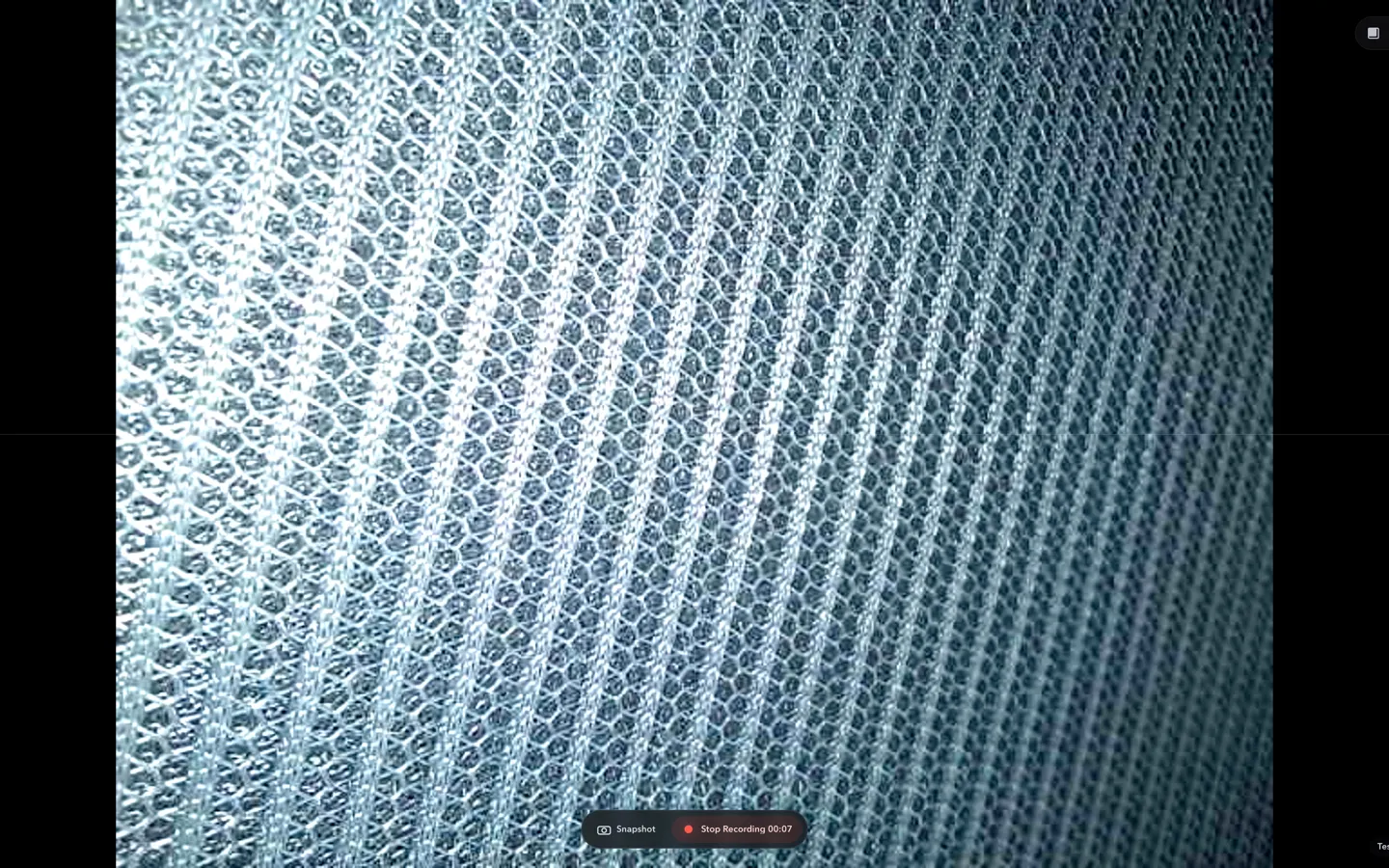
Good USB microscope software for macOS, Mac USB microscope workflows, and endoscope camera software for Mac should start with UVC compatibility, fast preview, local snapshots, short recordings, and clear file handling.
Read article Inspection teams often need speed, privacy clarity, and practical capture more than cloud-heavy operational layers. Local-first tooling changes that balance.
Read article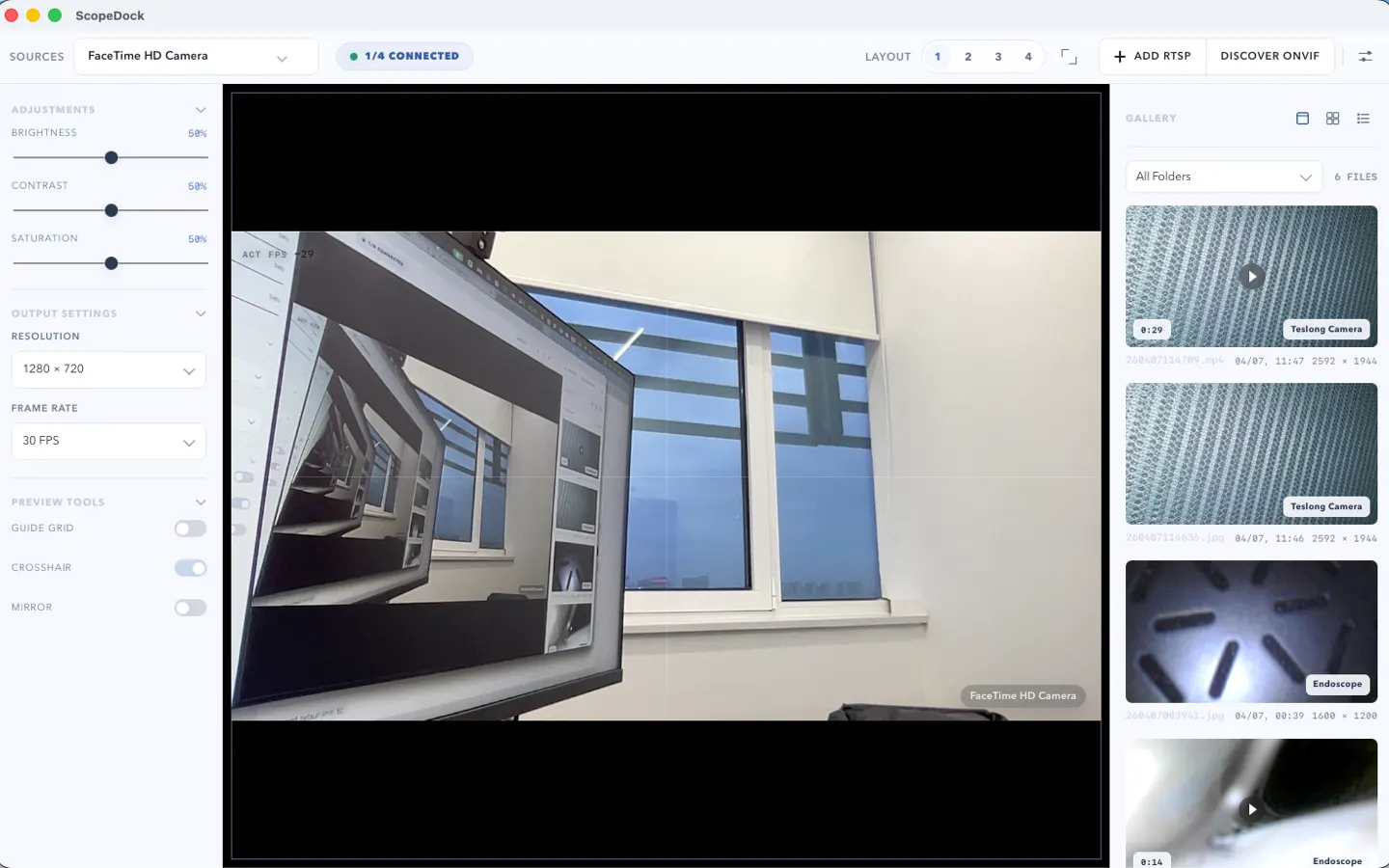
This update explains how the NgSense website now supports ScopeDock with clearer product, download, support, blog, and contact paths.
Read articleExplore camera compatibility and the released inspection workflow, or open the full product catalog to compare both NgSense apps.