Guides

Where ScopeDock saves snapshots and recordings

Users evaluating ScopeDock often want a plain answer about local files. The key question is not only where files go, but whether the workflow stays local-first and understandable.

  • guides
  • April 5, 2026
  • local files
  • snapshots
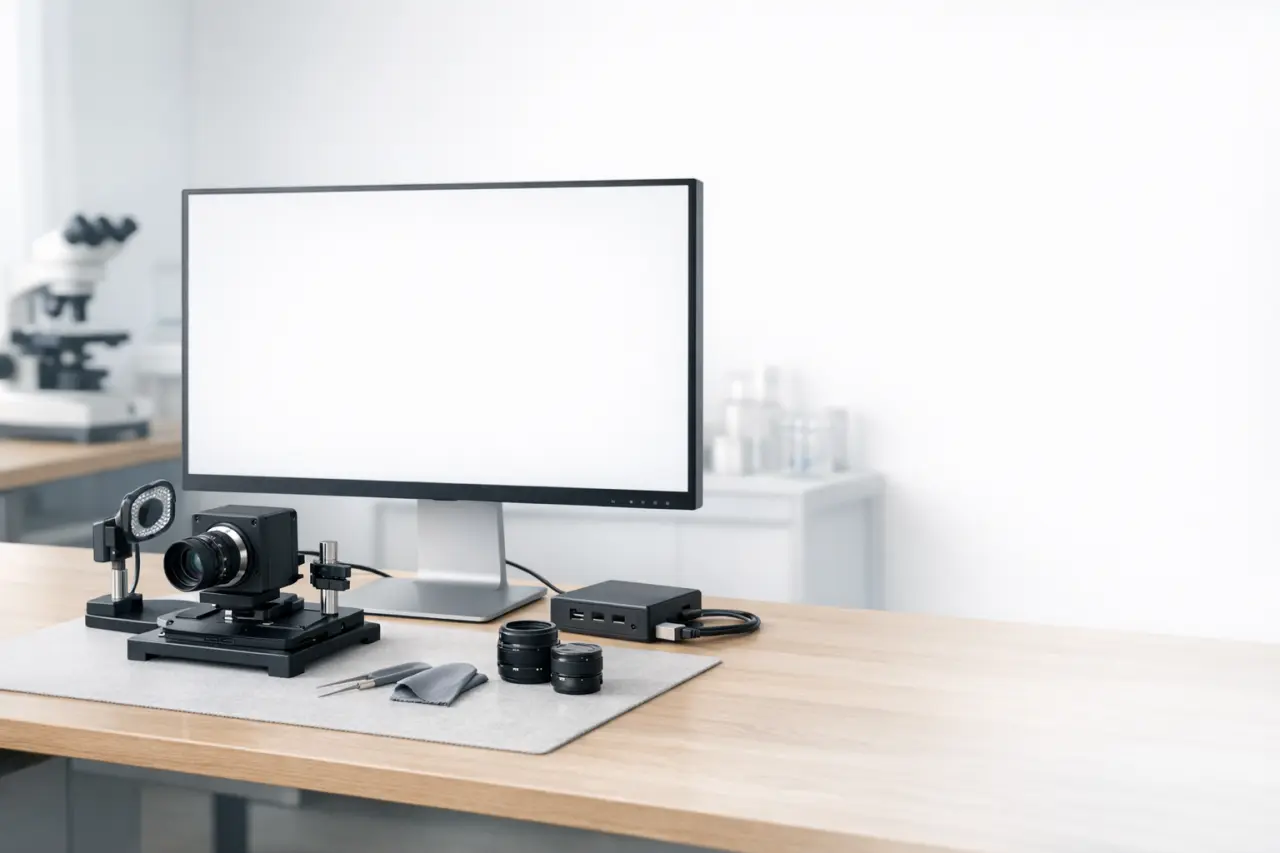
Guide article scene for local workstation setup and practical camera workflows.
Article context

Every article now carries a stronger visual anchor so the page feels like part of the product system instead of a text-only appendix.

Quick answer

This article now states its role more directly

These summary blocks help readers and AI systems identify the main answer, the article type, and the next recommended action.

Article answer

Users evaluating ScopeDock often want a plain answer about local files. The key question is not only where files go, but whether the workflow stays local-first and understandable.

The article page now repeats the core takeaway in a scannable block instead of leaving it buried in body text.

Content type

A practical setup or implementation guide.

Readers should leave knowing what to do next in the product or support flow.

Best next step

Move to download, support, or a related guide once the main question is answered.

Blog pages are designed to continue the journey instead of ending it.

Users evaluating ScopeDock often want a plain answer about local files. The key question is not only where files go, but whether the workflow stays local-first and understandable during snapshots, recordings, and later review.

File behavior should be explained in product and support copy

Questions about saved media are not edge cases. They are part of deciding whether a tool fits real inspection work. People want to know if captures stay on the machine, whether files are easy to find, and how that relates to the product’s local-first positioning.

Local-first means file expectations should stay simple

When a product is described as local-first, users expect snapshots and recordings to remain close to the device and the local machine. The website should reinforce that expectation instead of leaving file handling vague.

Why this belongs near support and download

File questions often arrive before download, during setup, or right after a first capture session. That is why they belong not only in the product page, but also near compatibility, FAQ, and support flows.

The practical next step

If your workflow depends heavily on where media is stored, read the compatibility and support pages alongside the product page. Those pages should make file assumptions clearer before your first real evaluation session.

Next steps

Where to go after this article

The blog should help readers move into product evaluation, compatibility checks, support, or feedback without losing context.

Check compatibility

Move into platform, protocol, and system-requirement checks before assuming your setup should work.

Open support

Use the support surface if the guide raised a device-specific or troubleshooting question.

Evaluate ScopeDock

Go back to the product page once the workflow question is clear enough to judge fit.

Related reading

More from the same content lane

Next step

Ready to test the product behind the guide?

Product pages, support paths, and feedback should stay close to blog content so people can move forward without losing context.